







Search Results for: Fully Washed
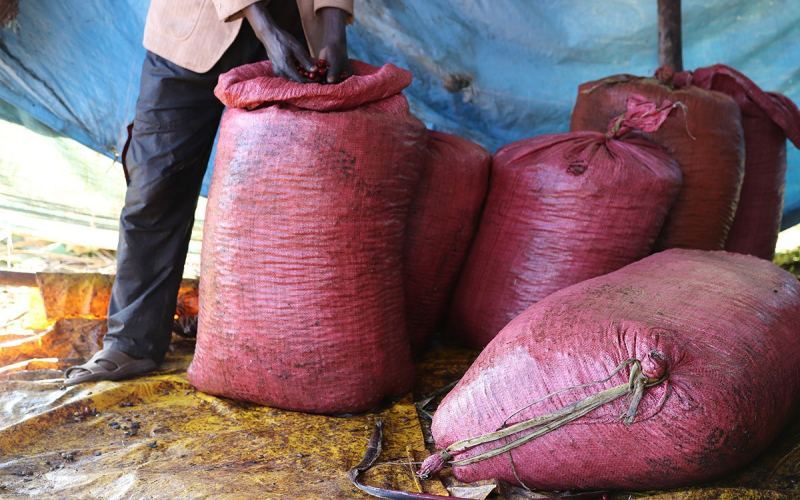
Coffee Beans from the Guji Region: A Floral Representative of High-Altitude Washed Ethiopian Coffee
When it comes to Ethiopian coffee, Yirgacheffe and Sidamo are familiar names, while Guji is a newer region that has only gradually come into the specialty spotlight over the past decade or so. It sits right next to these two major regions, with higher elevations and more distinctive flavors, especially known for its floral aromas and clean acidity. More and more coffee lovers are turning their attention to it. [more…]
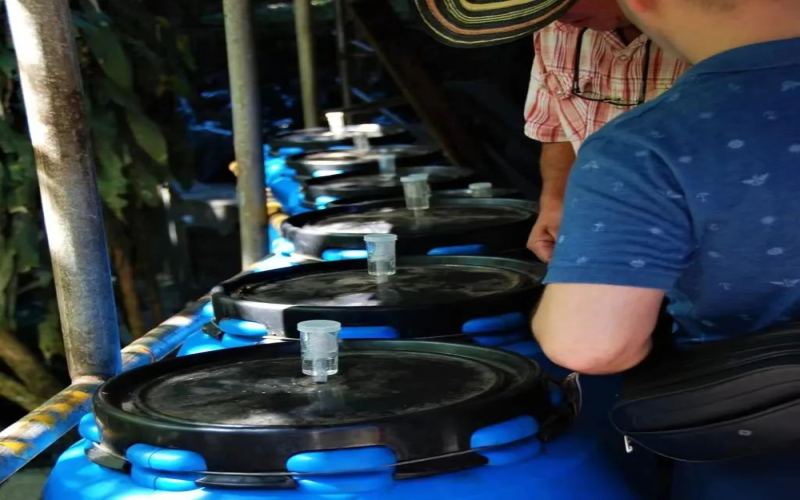
Coffee Enzyme Washed | What Is the Enzyme Washed Coffee Processing Method? How Does the Enzyme Washed Process Work? An Introduction to the Flavor and Taste Characteristics of Colombia Rose Valley Coffee
In recent years, there have been more and more innovative coffee processing methods, and new types of processing such as anaerobic processing, enzyme processing, and carbon dioxide maceration processing have begun to carve out a small niche for themselves. The enzyme-washed processing method that this article will introduce was met with mixed reviews when it first appeared, and now, years later, Front Street will take everyone back to observe this [more…]
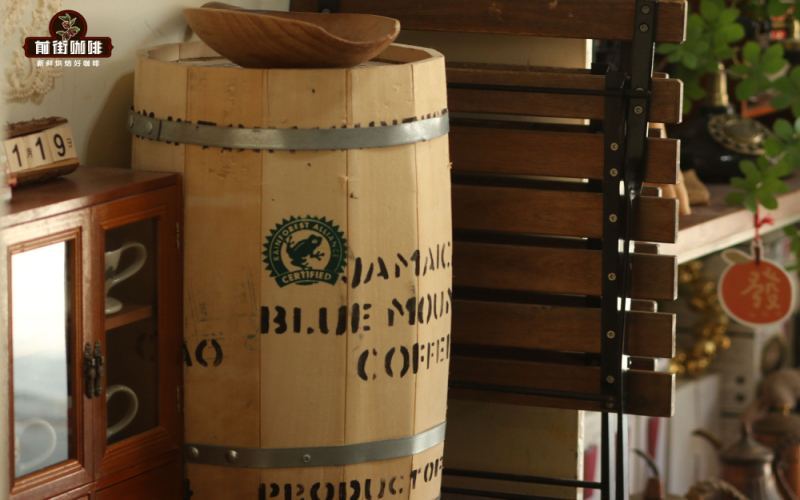
A Guide to Identifying Authentic Jamaican Blue Mountain Coffee: Certificates, Prices, and Flavor Profile Fully Explained
Blue Mountain coffee is hailed as the "Emperor of Coffee," but the market is flooded with a mix of genuine and fake products, making it hard to tell true from false. From the perspective of Front Street Coffee, this article systematically sorts out the historical origins of Jamaican Blue Mountain coffee, the certified authentic production regions, the green bean grading standards, the characteristics of the Typica variety, and the differences between the two processing methods of washed and natural. At the same time, it explains in detail how to identify genuine Blue Mountain through features such as the CIB certificate and wooden barrel packaging, and includes the roasting curve, cupping report, and brewing parameters of Front Street's washed Blue Mountain, helping coffee enthusiasts gain a comprehensive understanding of the true appearance and value of this top-tier coffee. [more…]
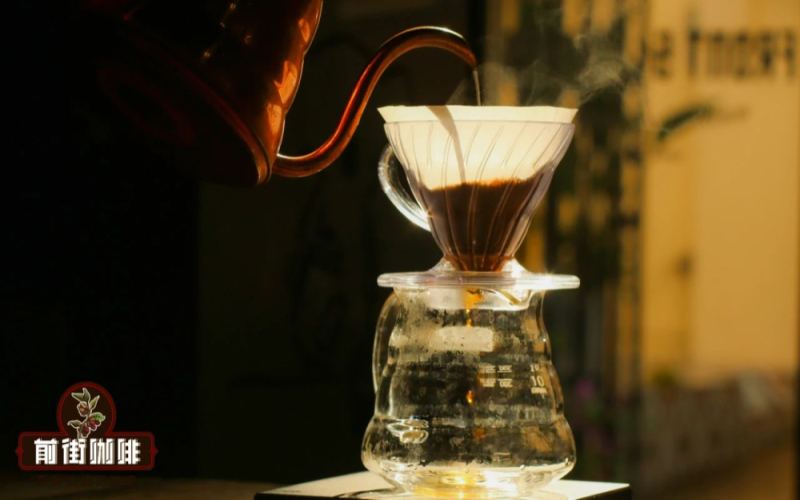
Recommended Varieties of Specialty Coffee Beans for Pour-Over | How Should Coffee Beginners Choose Single-Origin Beans for Pour-Over? What Are the Flavor Characteristics of Washed Gedeb, Golden Mandheling, and Panama Geisha When Made as Pour-Over Coffee?
More and more friends are now joining the ranks of pour-over coffee enthusiasts, and with so many coffee beans to choose from, many are once again struggling with choice paralysis. Generally speaking, the coffee beans used for pour-over coffee are single-origin beans. Single-origin beans refer to beans from a single region (from one estate/cooperative, or from multiple estates/cooperatives within a single origin). [more…]
Yirgacheffe Region Full Analysis: Grading System, Native Varieties, and Washed vs. Natural Flavor Comparison
Yirgacheffe is a name that cannot be overlooked on the global specialty coffee map, and almost every single-origin coffee shop reserves a place for it. This high-altitude town located in the Sidama region of southern Ethiopia—what exactly is it about this place that has captured the taste buds of countless coffee lovers? From the perspective of Front Street Coffee, this article systematically sorts out Yirgacheffe's production region background, grading logic, variety characteristics, and the flavor differences brought by the two major processing methods, washed and natural, and also includes specific recommendations and brewing suggestions for Front Street's Yirgacheffe series products, helping you gain a comprehensive understanding of this classic production region from beginner to advanced level. [more…]
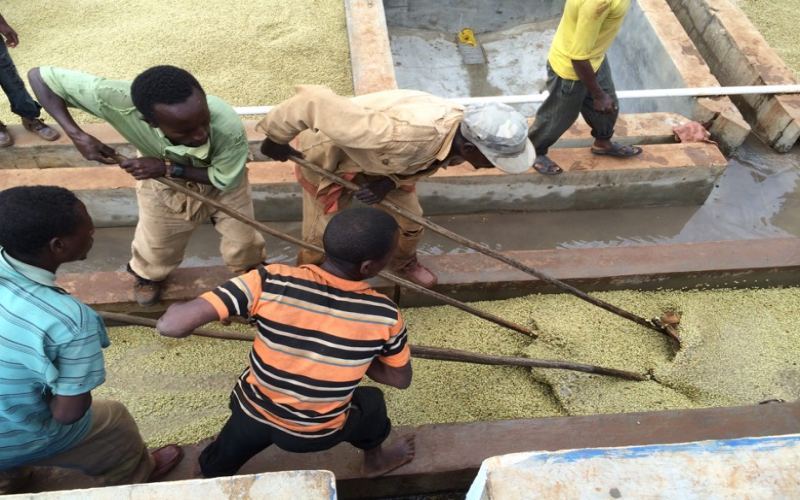
Kenya Double Washed Explained: The Bright Acidity in the Fermentation Tank
If you had to trace the "Kenyan taste" back to its processing origins, the answer would most likely point to double washing. This method, known locally as K72, polishes the fruit acidity of Kenyan coffee until it is bright, solid, and yet still clean. Once you understand double washing, you understand where the signature juicy quality of Kenyan beans comes from. Double Washing [more…]
Yirgacheffe Coffee Bean Guide: Origin Characteristics, Roast Level Selection, and Pour-Over Parameters Explained
Yirgacheffe is one of Ethiopia's most representative specialty coffee regions, known for its fresh lemon and citrus acidity and delicate floral aromas. This article analyzes the core characteristics of this bean layer by layer, from its origin background, green bean grading, and roast level selection to pour-over parameters. Yirgacheffe green beans are small in shape and emerald green in color. Washed G2 is the traditional highest grade, and G1 is now also available on the market. In terms of roasting, cinnamon roast or medium roast best preserves its citrus acidity and floral aroma, while a darker roast masks its fresh character. For pour-over, it is recommended to use a high temperature above 90°C and extend the bloom to 20–30 seconds to fully release the flavors. Front Street Coffee recommends interpreting Yirgacheffe through pour-over. Compared with competition-style brewing or a French press, the clarity brought by pour-over better showcases its delicate layers. [more…]
A Complete Guide to Brazilian Santos Coffee Beans: From Historical Origins to a Flavor Comparison of Front Street Queen's Farm and Cerrado
Brazil Santos coffee beans are one of the most familiar Brazilian representatives for coffee lovers worldwide, known for being soft and smooth, low in acidity, and prominently nutty, and they are also the top choice recommended by Front Street Coffee baristas for customers who dislike sourness. This article will take you through the legendary origins of Brazilian coffee from more than three hundred years ago, outlining how Brazil started from zero to become the world's largest coffee-producing country, and will also introduce in depth two Bourbon-variety Brazilian beans from Front Street Coffee—the Yellow Bourbon from Queen Estate in São Paulo and the Red Bourbon from Cerrado in Minas Gerais—covering regional terroir, processing methods, roasting recommendations, and brewing parameters to help you fully understand the classic charm of Brazilian coffee. [more…]
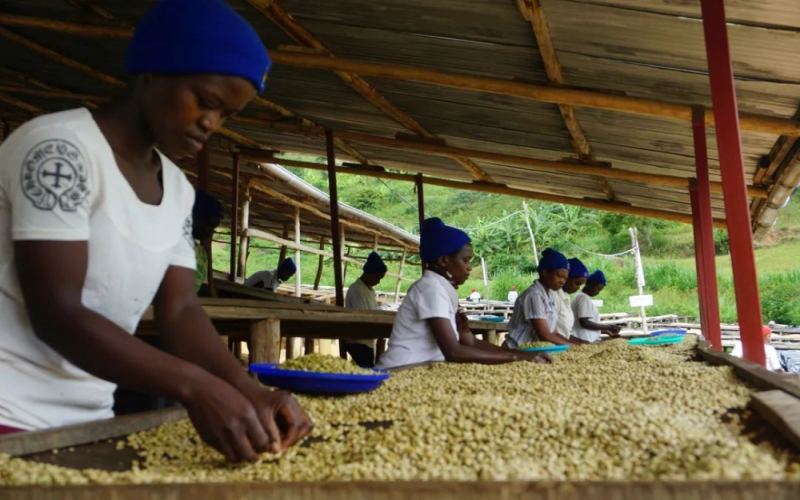
A Complete Guide to Ethiopian Coffee Heirloom Varieties: From Variety Characteristics to the Red Cherry Project and Grading System
Ethiopia is a genetic treasure trove of coffee, with a vast array of native varieties and unique flavors. From Yirgacheffe to Sidamo, from washed to natural, every bean is full of surprises. This article takes you deep into Ethiopia's coffee variety classifications, flavor characteristics, processing method differences, the Red Cherry Project, and its unique grading system, and shares Front Street Coffee's cupping and brewing experience to help you gain a comprehensive understanding of this major African coffee country. [more…]
Parchment Estate: The Washed Geisha That Missed Champion by Just 0.25 Points
In the 2026 BOP Washed Geisha category, Elida Estate took the category championship with 96.25 points, which was also the highest score overall. Close on its heels was a small estate still unfamiliar to most—Finca El Pergamino, with 96.00. [more…]
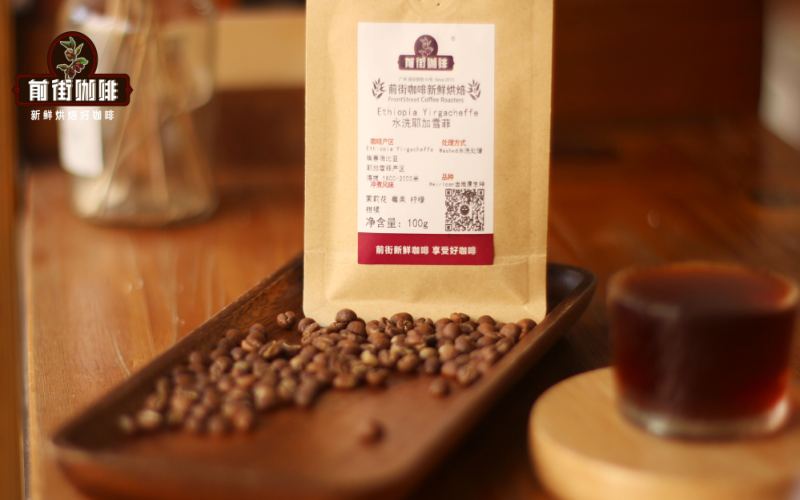
Yirgacheffe Coffee Region | Why Are Most Ethiopian Coffee Beans Washed? Recommended Newbie-Friendly Light Roast Pour-Over Coffee Beans
High-value Yirgacheffe recommendation. Front Street Coffee washed Yirgacheffe coffee beans. Region: Ethiopia Yirgacheffe. Altitude: 2300 meters. Variety: heirloom. Processing method: washed. Flavor notes: lemon, citrus, tea-like, honey, berry. Recommended because: classic Yirgacheffe flavor, affordable price, can be brewed [more…]
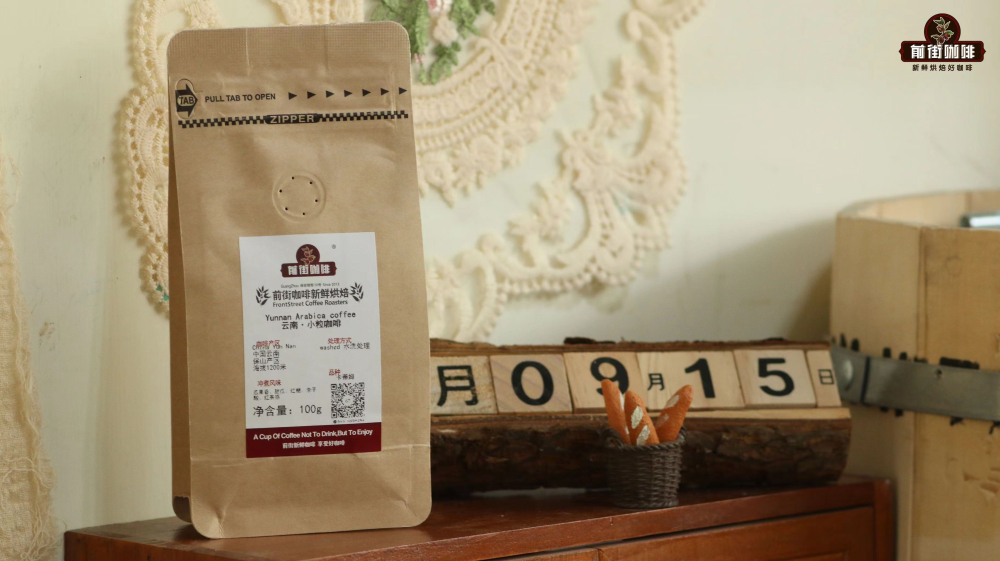
Top 10 Drip Coffee Recommendations | Are Single-Origin Drip Coffee Bags Expensive? Which Drip Coffee Brand Is Best? How to Brew Drip Coffee for the Best Taste?
For more specialty coffee knowledge, please follow: Front Street Coffee (Frontsteet Coffee). Fresh grinding has always been part of the ritual of brewing coffee, because only freshly ground coffee can ensure the flavor does not fade. However, for some people, being able to brew a delicious cup of coffee quickly is even more important. [more…]
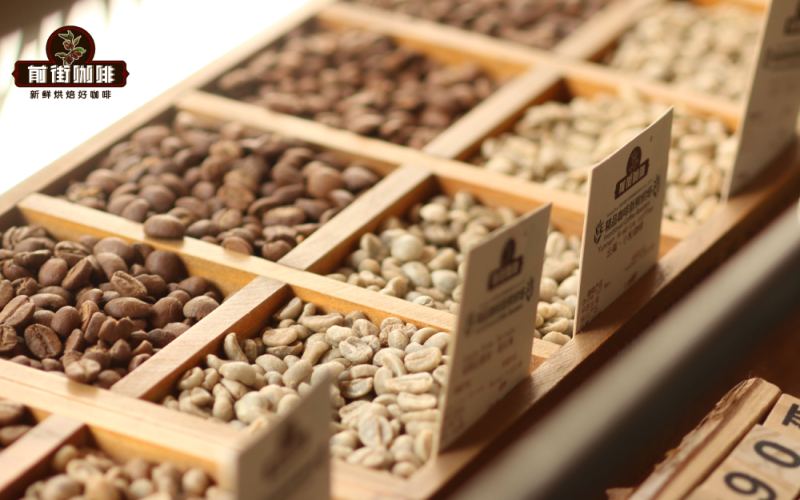
Coffee Processing Methods | Wet-Hulled, Semi-Washed, Honey Process, Pulped Natural — Detailed Steps, Flavor and Mouthfeel Comparison of Coffee Beans
We all know that different processing methods can give coffee a rich and varied flavor profile. For example, Front Street Coffee's bean list alone features dozens of varieties, covering more than ten different processing methods. Today, Front Street will focus specifically on wet-hulled, semi-washed, and pulped natural [more…]
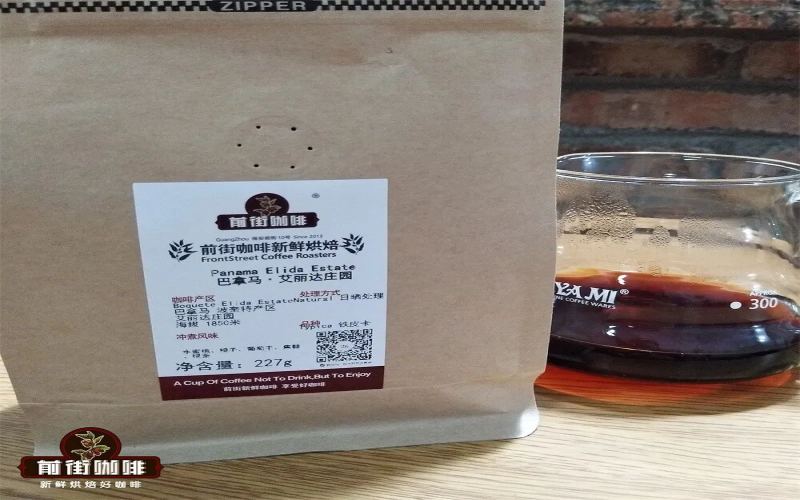
The Origin of Geisha Coffee | What Are the Flavor and Taste Characteristics of Panama Geisha Coffee? What Is the Difference Between Geisha and Yirgacheffe, and Which One Tastes Better?
We know that Geisha coffee is very delicious and famous, but do you know how Geisha coffee got its name? There are many ways to name coffee—some are named after the producing country or region, and some are named after the estate—while Geisha is the name of a coffee variety. Geisha refers to a coffee variety, called Geisha in English. [more…]

Highly Cost-Effective Drip Coffee Brand Recommendations | Are Single-Origin Drip Coffee Bags Expensive? Which Coffee Bean Origins Are Suitable for Drip Pour-Over Coffee Bags?
For more specialty coffee knowledge, please follow: Front Street Coffee (Frontsteet Coffee). Fresh grinding has always been part of the ritual of brewing coffee, because only freshly ground coffee can ensure the flavor does not dissipate. However, for some people, being able to quickly brew a delicious cup of coffee is even more important. [more…]
Comparison of Coffee Processing Methods | What's the Difference Between Washed and Natural Beans? 5 Classic High-Quality Washed Pour-Over Coffee Beans Every Beginner Must Buy
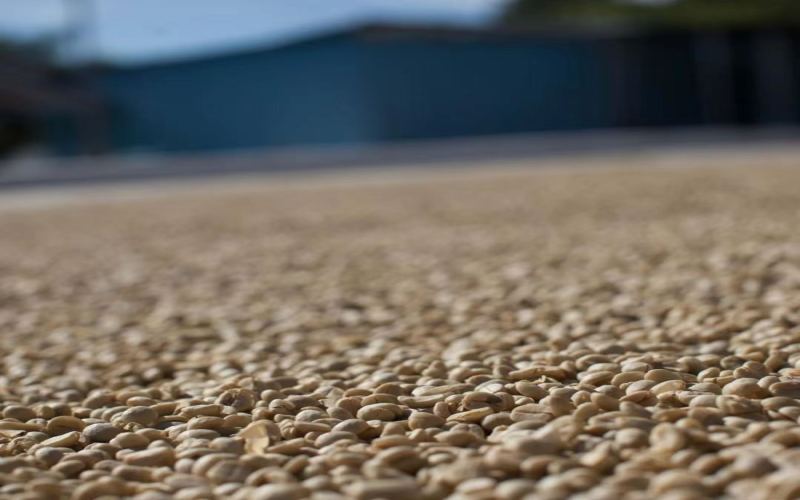
The wet process (washed method) was invented by the Dutch in the 18th century. Because some countries often experience rain and high humidity, making it impossible to use the dry process, although the procedure is relatively more complicated, it is currently the most widely used [more…]
Indonesian Mandheling Coffee Bean Variety | Is PWN Golden Mandheling Arabica Coffee? Which Is Better for Brewing Golden Mandheling: Pour-Over, Siphon, AeroPress, or French Press?
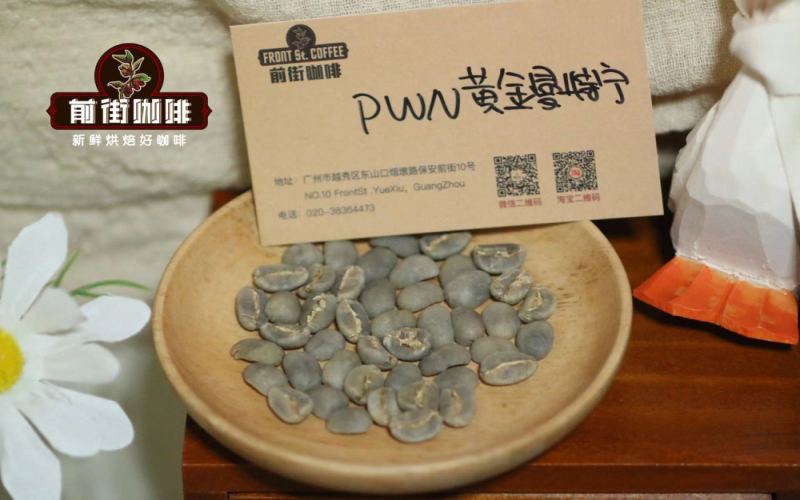
For more specialty coffee knowledge, please follow the WeChat official account: Front Street Coffee (FrontStreet Coffee). Mandheling is a coffee produced in Sumatra, Indonesia, Asia, so it is also called Sumatra coffee. Its main producing areas include Java, Sulawesi, and Sumatra. [more…]
How Are Kenya Coffee AA and AA+ Grades Distinguished? A Detailed Explanation of Kenya Coffee Bean Grading Standards and Flavor Characteristics
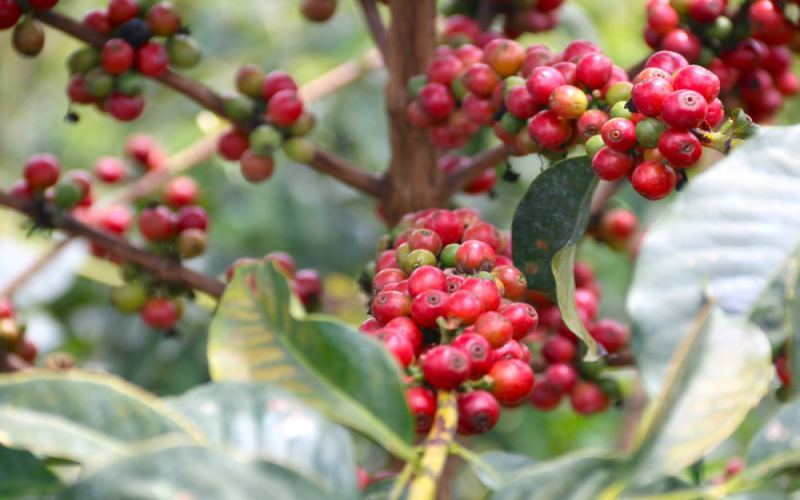
Kenyan coffee is famous for its bright fruit acidity and rich flavors, making it a favorite among many coffee lovers. But when faced with grading labels such as AA, AA+, and AB, many people feel confused. From the perspective of Front Street Coffee, this article sorts out the development of Kenya's coffee industry, analyzes the origins and specific standards of its grading system, focuses on explaining the differences between AA grade and AA+ grade, and introduces the impact of the K72 washed processing method on flavor. At the end, it also includes the origin information and brewing parameters of Front Street Kenya Little Tomato coffee beans for daily reference. [more…]

Hacienda La Esmeralda Geisha Coffee Bean Grades | What is the difference between Panama La Esmeralda Geisha Red Label and Green Label? Why is Esmeralda Geisha coffee so expensive?
If Geisha is likened to a thousand-mile horse, then Hacienda La Esmeralda is undoubtedly the Bo Le who recognized its worth. It was Hacienda La Esmeralda that discovered Geisha's potential and introduced its exquisite flavor to the world at the 2004 BOP, which is why Geisha has become the top variety in today's specialty coffee scene. It can be said that without [more…]
Hambela Region: The Source of Sweetness in Ethiopian High-Altitude Washed Coffees
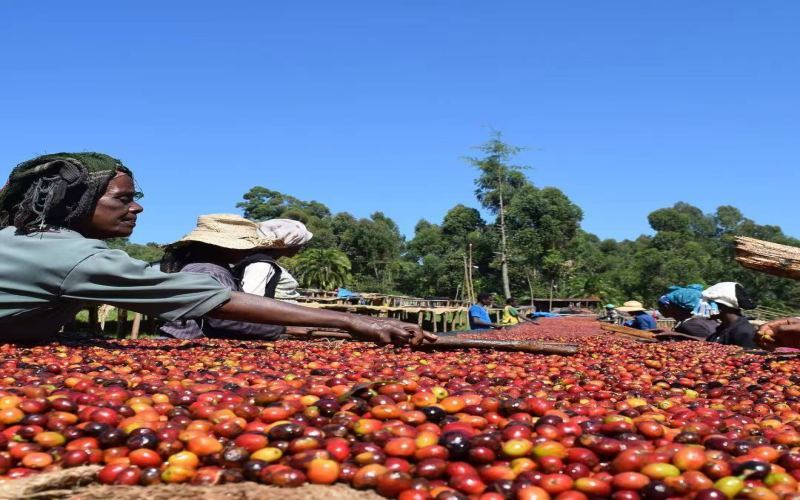
In the high-altitude producing regions of Ethiopia, the name Hambela has often been mentioned in recent years. It is located in the Guji region, and the Gesha coffee it produces has become popular for its rich fruity aroma, while the region's own high-altitude environment is an important source of its sweetness. Where Hambela is located Hambela is situated in the high-altitude zone of the Guji region in southern Ethiopia, [more…]